
11 Ways To Completely Revamp Your Cargo Containers
페이지 정보
작성자 Aracelis Pritch… 작성일 26-07-12 07:43 조회 14 댓글 0본문
Understanding Cargo Containers: The Backbone of Global Trade
Cargo containers have actually ended up being important to today's worldwide trade system. They play a pivotal function in the transportation and shipping of items throughout the world, supplying a standardized and effective way to move products from manufacturers to consumers. This post explores the different types of cargo containers, their specifications, benefits, and some frequently asked questions about their use and significance in global trade.
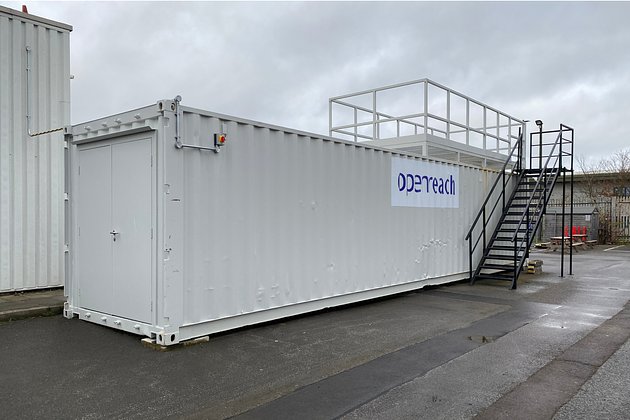
The Evolution of Cargo Containers
The container shipping market began to take shape in the 1950s, when Malcolm McLean, an American trucking entrepreneur, presented the principle of utilizing standardized containers for Shipping Container Manufacturers. This revolutionary concept changed the logistics sector and prepared for today's worldwide supply chain. Before the development of cargo containers, shipping was a labor-intensive process that frequently included unpacking and repacking items numerous times.
Kinds Of Cargo Containers
Comprehending the different types of cargo containers is essential for anybody associated with shipping and logistics. Here's a table detailing the most common kinds of cargo containers:
| Container Type | Description | Dimensions (ft) |
|---|---|---|
| Standard Container | The most typical type, suitable for most basic cargo. | 20 x 8 x 8.5, 40 x 8 x 8.5 |
| Reefer Container | A refrigerated container for disposable items, such as food and pharmaceuticals. | 20 x 8 x 8.5, 40 x 8 x 8.5 |
| Open Top Container | Created for oversized cargo that can not fit through basic doors; includes a removable tarp. | 20 x 8 x 8.5, 40 x 8 x 8.5 |
| Flat Rack Container | used cargo containers for heavy and oversized cargo; features no side walls or roofing. | 20 x 8 x 8, 40 x 8 x 8 |
| Tank Container | Designed for transporting liquids, such as chemicals or food. | 20 x 8 x 8.5 |
| High Cube Container | Taller variation of the standard container, supplying additional storage space. | 40 x 8 x 9.5 |
| Half-Height Container | Ideal for heavy loads that are challenging to lift; designed to be filled from the top. | 20 x 8 x 4.5 |
| Ventilated Container | Equipped with vents for breathable cargo, typically used for farming items. | 20 x 8 x 8.5, 40 x 8 x 8.5 |
Secret Specifications
Various types of cargo containers have unique specs. Here is a quick overview of the most vital specs:
| Specification | Standard Container | Reefer Container | Open Top Container |
|---|---|---|---|
| Maximum Weight (pounds) | 52,910 | 59,000 | 48,000 |
| Cubic Capacity (cu feet) | 1,172 (20ft), 2,390 (40ft) | 1,172 (20ft), 2,390 (40ft) | 1,169 (20ft), 2,389 (40ft) |
| Insulation | None | Yes | None |
| Doors | Standard Swing Doors | Requirement Swing Doors | End Opening |
Benefits of Using Cargo Containers
Cargo containers provide a number of benefits that have actually added to their prevalent adoption in the shipping market:
- Standardization: Cargo containers follow international basic sizes, making loading, unloading, and stacking effective.
- Security: They provide a secure method to transport items, minimizing the risk of theft and damage.
- Intermodal Transport: Containers can be easily moved between various modes of transport, such as ships, trucks, and trains.
- Cost-Effectiveness: Standardized containers minimize labor expenses and enhance logistics, leading to lower Shipping Container Dimensions costs.
- Flexibility: Various kinds of containers cater to varied cargo needs, from perishables to extra-large equipment.
The Environmental Impact
While cargo containers enhance international trade, they also have an environmental effect. The shipping market is a considerable factor to greenhouse gas emissions. Nevertheless, advanced innovations are emerging to lessen the environmental footprint of shipping with environment-friendly vessels and better logistics management systems.
FAQs about Cargo Containers
1. What is the lifespan of a cargo container?
Cargo containers normally last in between 10 to 15 years, depending upon use and maintenance. Routine examinations and repair work can even more extend their life-span.
2. Just how much does a cargo container cost?
The cost of cargo containers varies based on type, condition, and market demand. A new 20ft container might cost between ₤ 2,000 to ₤ 5,000, while Used Shipping Containers containers can be considerably more affordable.
3. Can cargo containers be modified?
Yes, cargo containers can be modified for different applications, consisting of domestic homes, workplaces, and pop-up shops. These modifications must comply with local building regulations and regulations.
4. How are containers tracked during shipping?
Containers are frequently equipped with GPS tracking gadgets, RFID tags, or barcodes to enable real-time tracking and monitoring throughout their journey.
5. What takes place to unused cargo containers?
Unused or retired cargo containers can be repurposed for numerous applications, such as Portable Storage Containers, housing, or recreational use. They have actually ended up being popular in modular construction jobs.
Cargo containers are integral to the global trading system, using a standardized, safe and secure, and effective ways of transferring goods across huge ranges. As international trade continues to broaden, comprehending the numerous types of cargo containers, their specifications, and their benefits is vital for businesses and logistics professionals alike. While difficulties such as environmental concerns loom, innovation in container innovation and shipping practices is leading the way for a more sustainable future in logistics. Cargo containers will undoubtedly remain at the leading edge of international commerce for many years to come.
- 이전글 What's The Job Market For Best Crypto Casino USA Professionals Like?
- 다음글 This Most Common GLP1 Prescriptions Germany Debate Isn't As Black And White As You May Think
댓글목록 0
등록된 댓글이 없습니다.